
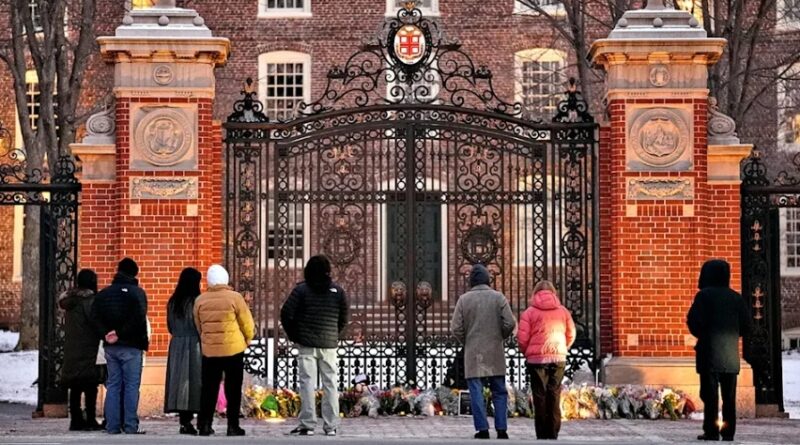
Brown University Hires Former US Attorney Following Campus Shooting
The shock reverberating through Brown University in the wake of the Dec. 13 campus shooting has not only left a community in mourning — it’s set the stage for a high-stakes legal and institutional reckoning. In a move that signals just how seriously the Ivy League institution is taking potential fallout, Brown has retained former U.S. Attorney Zachary Cunha, a heavyweight in federal litigation, to help navigate the labyrinth of law enforcement coordination and, likely, civil litigation.
Cunha, who once helmed the U.S. Attorney’s Office for Rhode Island and now practices at the global law firm Nixon Peabody, brings a formidable resume in government investigations and white-collar defense. His hiring suggests Brown is preparing for more than just procedural cooperation. This is a preemptive defense posture — and a necessary one.
The fatal shooting that claimed the lives of Ella Cook and Mukhammad Aziz Umurzokov inside a campus academic building has drawn fierce scrutiny, not just for the tragedy itself, but for the university’s apparent lack of preventive security infrastructure.
Investigators were left canvassing surrounding neighborhoods for surveillance footage because the Brown campus had limited security cameras — a detail that’s proven difficult for both law enforcement and the public to reconcile, especially in an era when campus safety is a known priority.
The suspected shooter, Claudio Manuel Neves Valente — a former student who attended Brown more than two decades ago — was found dead days later. His motive remains unclear, but the damage was already done. Two students lost, an institution rattled, and a public demanding answers.
The fallout has already begun. Brown’s vice president for public safety, Rodney Chatman, has been placed on immediate leave. In his place, Hugh T. Clements, the former chief of police for Providence, has stepped into an interim role.
And now, the federal government is weighing in. The U.S. Department of Education has launched a formal review to assess whether Brown complied with the Jeanne Clery Act — a federal mandate requiring transparency around campus safety and crime statistics.

Education Secretary Linda McMahon didn’t mince words: “After two students were horrifically murdered… the Department is initiating a review… to determine if it has upheld its obligation under the law.” Her statement, though procedural in tone, carries unmistakable force: compliance isn’t optional when federal funds — and student lives — are at stake.
For Brown, the hiring of Cunha is a signal that it understands the legal peril ahead. The university isn’t just managing grief — it’s preparing for intense scrutiny, likely lawsuits, and a broader conversation about what campus safety truly means in a time when even elite institutions are not immune from violence.