
Co-Host On ‘The View’ Comments On Recent DOJ Indictment
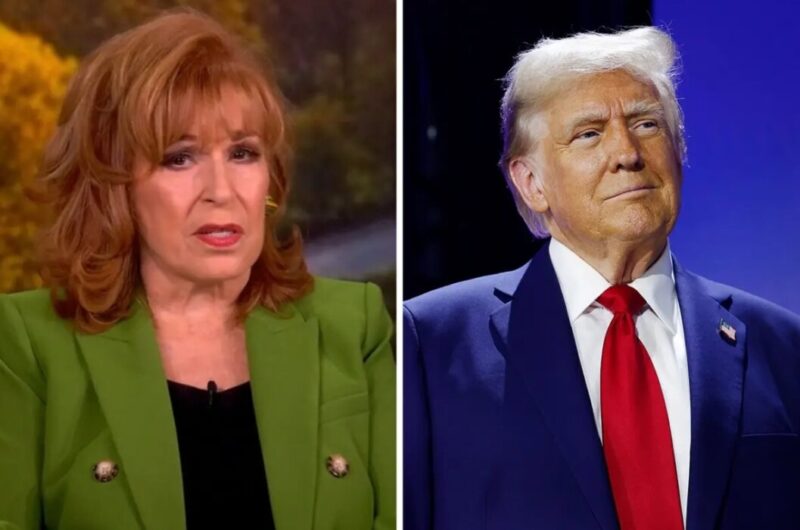
It’s not every day that Joy Behar of The View finds herself aligning with Donald Trump — but here we are.
On Thursday’s episode, Behar offered a rare moment of agreement with the president, zeroing in on a mutual foe: former FBI Director James Comey. While the broader political world braces for a possible indictment of Comey over alleged false testimony, Behar made it clear that her own issues with the former FBI chief stem from a very different source — Hillary Clinton.
“I don’t like Comey. I agree with Trump on this one,” Behar declared, referring to Comey’s infamous 2016 decision to reopen the Clinton email investigation just eleven days before Election Day. “I don’t like what he did to Hillary,” she added.
That moment, still a raw nerve for many Democrats, was widely criticized at the time for its potential to sway the outcome of the election. Comey’s move — informing Congress that the FBI had discovered new emails potentially relevant to the Clinton case — was seen by many in Democratic circles as a devastating October surprise. And Behar is still clearly bitter.
Now, though, Comey’s own legal trouble is making headlines. According to reports, prosecutors are weighing criminal charges stemming from his 2020 testimony to Congress.
The issue? A possible lie. Specifically, Comey told Sen. Ted Cruz he had not authorized any leaks to the press involving the Trump or Clinton campaigns.
But former FBI Deputy Director Andrew McCabe has reportedly contradicted that, stating that Comey personally approved a leak to The Wall Street Journal regarding the bureau’s investigation into now-debunked Trump-Russia collusion claims.

The case has gained new traction under the watch of Lindsey Halligan — a former Trump attorney now embedded in the White House — who is reportedly preparing to ask a grand jury to indict Comey.
Add to that the July referral to the Department of Justice by Director of National Intelligence Tulsi Gabbard, who cited concerns about Comey’s role in advancing a partisan narrative during the Obama years, and the picture gets even more politically charged.