
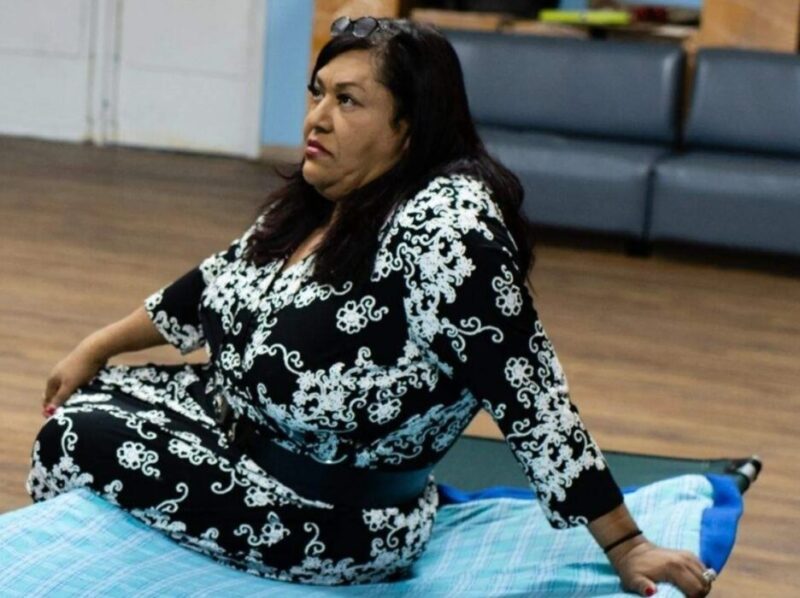
Corado Sentenced In Fraud Case
In a case that reads like a dark parody of pandemic-era corruption, Ruby Jade Corado — also known by the name Vladimir Orlando Artiga Corado — has been sentenced to nearly three years in federal prison for her role in siphoning taxpayer-backed Covid relief funds from a D.C. non-profit she founded and used the money, in part, to fill offshore bank accounts.
Corado, 56, once heralded as a trailblazer for LGBTQ+ advocacy through her organization Casa Ruby, Inc., is now a convicted felon. The sentencing comes after she pleaded guilty to wire fraud in July 2024.
U.S. District Judge Trevor N. McFadden handed down a 33-month prison sentence, along with two years of supervised release and an order to pay back a staggering $956,215 in restitution to the Small Business Administration.
The facts are as astonishing as they are infuriating. Casa Ruby had positioned itself as a vital lifeline to some of D.C.’s most vulnerable: homeless LGBTQ+ youth, survivors of violence, and immigrants seeking support.
The non-profit’s public-facing mission was to provide transitional housing, mental health services, and immigration assistance. Its reach appeared expansive — over 50 employees, 6,000 clients served annually, and multiple facilities across the city. But beneath the surface, something was deeply wrong.
According to the Department of Justice, Corado received more than $1.3 million from the federal Paycheck Protection Program and Economic Injury Disaster Loan program — both established to support struggling organizations during the COVID-19 pandemic.
Instead of using the funds for payroll, rent, or services as required, Corado transferred at least $150,000 into bank accounts in El Salvador, part of a larger scheme to misappropriate nearly $1 million in taxpayer funds.

In 2022, as questions about Casa Ruby’s finances began surfacing — including unpaid employees and a trail of evictions — Corado sold her Maryland home and fled the country. She was arrested in March 2024 at a Maryland hotel after returning from El Salvador, perhaps believing she’d escaped scrutiny.
The collapse of Casa Ruby was dramatic and swift. By July 2022, the organization had shuttered its shelters, left employees unpaid, and effectively ceased operations, despite its outward appearance of stability and community trust.