
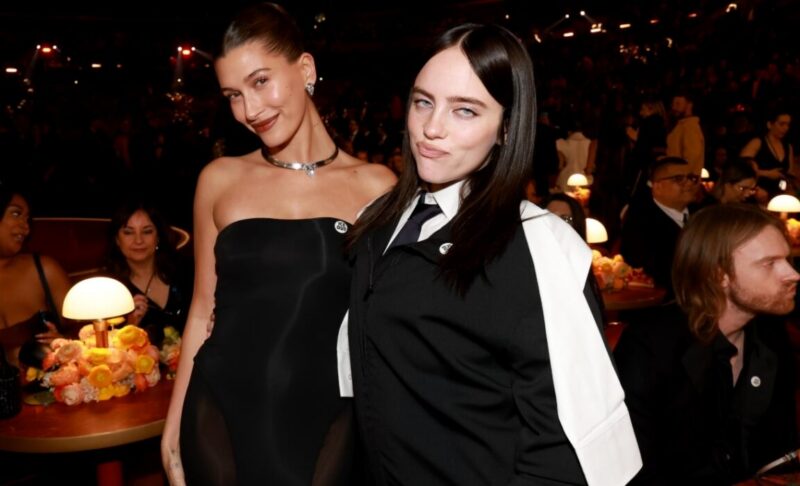
Guess Who’s Behind Those ‘ICE Out’ Pins Celebs Love To Wear
For years, viewers watching awards shows may have noticed a curious pattern: actors stepping onto the red carpet with matching pins attached to tuxedo lapels and evening gowns, signaling support for one cause or another. It often creates the impression that Hollywood stars are spontaneously rallying around a social movement. In reality, the process behind those pins is far more organized—and far more strategic—than many people realize.
Rather than celebrities independently deciding to promote causes, many of these pins are distributed through Hollywood public relations firms hired by advocacy groups. Nonprofits that want visibility during high-profile events retain PR agencies to place their messaging directly in front of actors, musicians, and nominees during awards season.
In recent months, one particular example has been gaining attention: the “ICE OUT” pin. Media outlets such as GQ and Vanity Fair have highlighted how the pins have appeared on red carpets and at major fashion events, including New York Fashion Week. The accessories are part of a campaign organized by an activist coalition that includes the Latino group Maremoto, the progressive advocacy organization Working Families Power, the National Domestic Workers Alliance, and the American Civil Liberties Union.
Maremoto itself was founded by community organizer Jess Morales Rocketto, who previously worked on presidential campaigns for Hillary Clinton and Kamala Harris. The campaign’s goal is to push opposition to Immigration and Customs Enforcement into the public spotlight through highly visible celebrity endorsements.
Behind the scenes, a major Hollywood PR firm—ID PR—has been helping promote the pins to stars. The firm represents a number of high-profile clients, including Serena Williams, filmmaker Christopher Nolan, and actor Seth Rogen. According to communications sent to actors’ representatives ahead of the Screen Actors Guild Awards, the request to wear the pins is framed as an invitation rather than a demand.
One such letter sent to nominees explained the campaign’s request: representatives were asked whether a particular star might be willing to wear a “Be Good–ICE Out” pin at the ceremony. The message also offered sample talking points and logistical help, including mailing the pin directly to the celebrity.
Industry insiders say this practice is common during awards season. Publicists frequently receive large numbers of advocacy items—pins, ribbons, or accessories—from organizations hoping to secure visibility on the red carpet. PR representatives then present those options to their clients, who ultimately decide whether to participate.

“We get dozens of things as options for clients,” one veteran publicist explained. “It’s a longstanding tradition. We make clients aware that we have them if you’d like them. It’s never presented as any type of demand—it’s an option.”
The phenomenon isn’t new. At last year’s Academy Awards, several celebrities wore red pins associated with the Artists4Ceasefire campaign, including Mark Ruffalo, Billie Eilish, Ramy Youssef, and Mahershala Ali. The pins were meant to call attention to humanitarian concerns in Gaza.
However, that symbol later became controversial. Critics argued the design—depicting a hand with a black heart—was linked to imagery connected to a violent incident during the Second Intifada in 2000, when two Israeli soldiers were lynched and the attackers displayed their bloodied hands to a crowd.
Israeli commentator Hen Mazzig, who has connections with several Hollywood figures, has argued that many celebrities likely wore the pins without understanding the imagery’s history.
“Most of the people who were wearing red pins were doing so out of ignorance and a desire to be ‘morally superior,’” Mazzig said. “Now that time has passed, and other events have taken the stage, I doubt the red pins will make an appearance.”