
Navy Releases Reports On Ship Accidents
Three F/A-18 Super Hornets lost during a single deployment. A friendly fire incident that destroyed one of those jets. A collision with a civilian ship. A commanding officer fired. The deployment of the USS Harry S. Truman from September 2024 to June 2025 didn’t just go sideways—it unraveled.
On Thursday, the U.S. Navy finally released the results of four separate investigations into a cluster of dangerous mishaps aboard the Truman and its strike group. Taken together, these reports paint a troubling picture of miscommunication, training shortfalls, equipment failures, fatigue, and poor leadership at nearly every level. Even more alarming: one of the Super Hornets was shot down by another U.S. Navy ship.
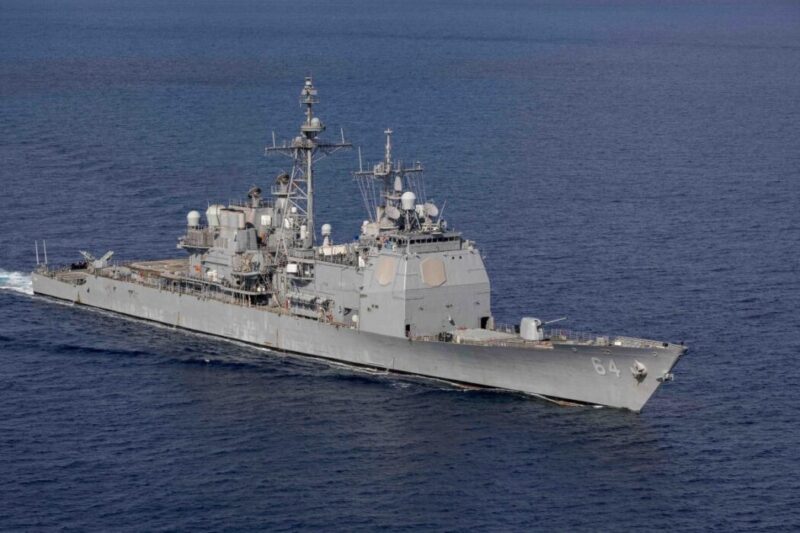
Yes, you read that right. During a combat mission against Houthi targets in Yemen, the cruiser USS Gettysburg misidentified two returning Super Hornets as anti-ship cruise missiles. It launched anti-aircraft missiles, destroying one plane and nearly hitting a second. The crew ejected.
The Gettysburg was supposed to be the air defense commander—the ship tasked with protecting U.S. aircraft, not targeting them. The investigation blamed the Gettysburg’s CO for failing to verify what his ship was engaging, and revealed a breakdown in coordination across the entire carrier strike group. Watchstanders had the information to stop it. They didn’t act.
That should’ve been enough to rock the Navy’s top brass. But it wasn’t even the only aircraft mishap on the Truman. On April 28, as the carrier executed a sudden evasive turn to avoid an incoming ballistic missile, a Super Hornet—unsecured and already being moved on the hangar deck—rolled backward and fell into the sea. Its dolly and crew were barely able to jump clear in time. The problem? No warning had been given about the turn. The aircraft’s brakes failed. And communication among ship departments was, again, insufficient.
The third jet was lost in early May when the carrier’s arresting gear failed during landing. An improperly reassembled system caused the cable to snap. The jet crashed into the ocean; the crew ejected. Investigators found that the system hadn’t been properly inspected, maintenance procedures were skipped, and junior sailors lacked a basic understanding of how the system even worked. Fatigue, manning shortfalls, and back-to-back shift changes contributed to “cutting corners” in safety procedures.
If this were one incident, it might be a tragic footnote. But three aircraft lost, a ship collision, and an internal missile strike during a single deployment? That’s not just bad luck—it’s systemic failure. The Navy is offering vague assurances that “accountability actions” have been taken, but refuses to publicly disclose who else beyond the fired Truman CO has faced discipline.

Retired Cmdr. Kirk Lippold didn’t mince words: “Losing three aircraft is a huge deal. The norm is 0 to 1.” And he’s right. This is more than operational wear and tear—it’s a potential signal that training, funding, and leadership are reaching a breaking point.
If the Truman deployment is a warning flare, then the Navy’s silence on accountability only deepens the concern. Because when your own ships are shooting down your aircraft, your arresting gear is snapping, and your planes are literally rolling into the ocean during evasive maneuvers, something’s gone very wrong. And someone needs to explain how it’s going to be fixed—before the next deployment turns catastrophic.