
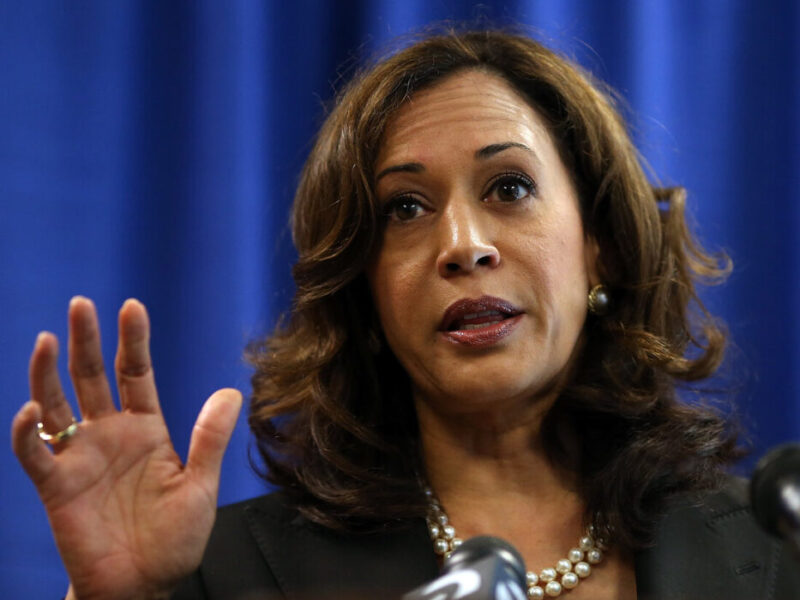
New Book Details Key Harris Decision
The new book 2024: How Trump Retook the White House and the Democrats Lost America continues to provide a revealing, and in some cases, damning inside look at the chaos and poor decision-making within the Democratic Party during the last election cycle.
Among its revelations is a clear portrait of Vice President Kamala Harris’ deeply flawed vice-presidential selection process. Faced with a choice between Pennsylvania Governor Josh Shapiro, Minnesota Governor Tim Walz, and Senator Mark Kelly of Arizona, Harris ultimately went with Walz—a move the book describes as pivotal and disastrous.
According to the book, Shapiro—widely considered a rising star and an intelligent, articulate executive—was rejected after an interview where he asked for clarity on his potential role and admitted that being a number two wouldn’t come naturally. That level of honesty and assertiveness, apparently, rubbed Harris the wrong way.
Walz, by contrast, is portrayed as submissive and overly cautious, “flatly denying” any future presidential ambitions and offering little more than polite deference.
The book notes his clear nervousness and self-doubt, even confessing to Harris, “I don’t think I’ll do well [in the debate].” He didn’t. His performance was widely panned, and the now-infamous line about “factual imprecision” became shorthand for a national embarrassment.
Compounding this questionable decision was the Democratic leadership’s fear of upsetting the progressive wing. Shapiro’s support for Israel drew criticism from far-left factions, despite his views aligning with the Biden administration.
His vetting process flagged statements critical of antisemitic campus protests, like his comparison between pro-Hamas demonstrations and KKK rallies—comments that were, remarkably, seen as too controversial.

In contrast, Walz’s past was barely scrutinized. His unsteady communication and lack of polish should have raised red flags, but the Harris camp and party leaders prioritized ideological safety and identity optics over executive competence and political viability.
Veteran Democrat operative Julian Epstein was blunt: Walz wasn’t the core problem—he was a symptom. The party’s deeper failure was its unwillingness to stand up to its radical base. Epstein said the party had become too afraid to say “no” to its activist wing—a problem that continues to define Democratic leadership today.