
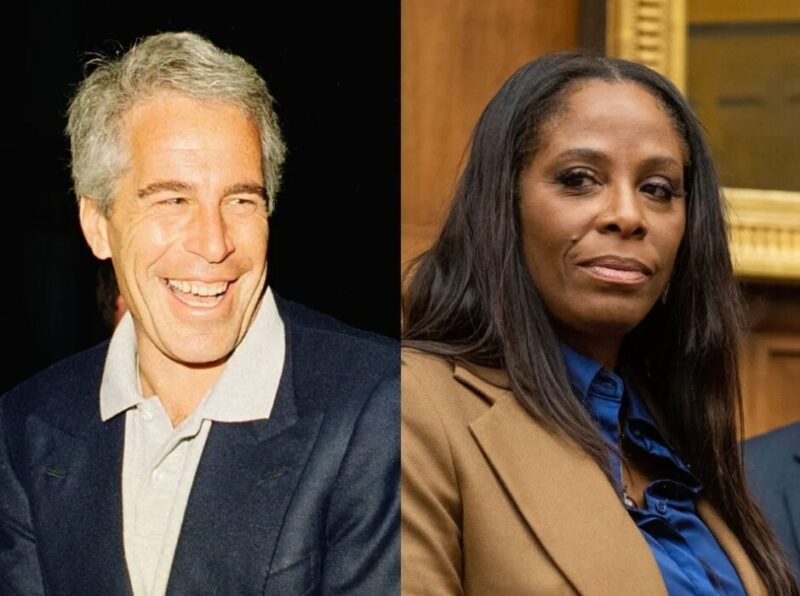
Text Message Exchange Becomes Front and Center For House Member
It reads like a political thriller, only it’s unfolding in real time—and it’s not fiction. The Epstein saga, which has loomed like a toxic cloud over America’s elite for nearly two decades, has once again erupted into public view—this time, with redacted names, red-hot accusations, and a renewed storm of outrage from Trump’s most loyal supporters.
It began with a promise: transparency. On February 27, amid the pomp of a White House event, Attorney General Pam Bondi unveiled what she called the “first phase” of the Epstein files. It was meant to mark a new era of openness, fulfilling then-candidate Trump’s vow to declassify the full extent of the government’s Epstein records. The event featured binders labeled “The Most Transparent Administration in History,” and far-right influencers, including Jack Posobiec, were in the front row, ready to receive the long-awaited truth.
But what they got felt like déjà vu.
The pages Bondi called “declassified” were mostly reprints of material already made public, including parts of Epstein’s “black book”—documents released during the Ghislaine Maxwell trial years earlier. Trump’s name had appeared then. But this time, it was blacked out.
Supporters, influencers, even Bondi herself were incensed. The very administration that promised to expose the Epstein network appeared to be shielding its most powerful figure.
The blackout triggered a frenzied effort behind the scenes. FBI agents combed through more than 100,000 documents—grand jury transcripts, case files, investigative reports—reviewing everything for potential public release. It was an unprecedented mobilization. But it culminated in redactions. Names, especially Trump’s, were concealed under FOIA exemptions 6 and 7(C), both grounded in privacy protection.
Legally, the government’s rationale was ironclad. Trump was a private citizen when Epstein was first under federal investigation in 2006. And under FOIA law, even the most famous individuals have their privacy protected if there’s no compelling public interest tied to alleged government misconduct.

But politically, it was a disaster.
Trump’s name redacted. The DOJ and FBI refusing comment. Promised transparency nowhere in sight. Even as Attorney General Bondi demanded answers, she received the bureaucratic equivalent of a shoulder shrug.
Then came the July 8 joint statement from the DOJ and FBI: No further disclosure would be “appropriate or warranted.” The same old cloak of secrecy—now under an administration that branded itself as truth-tellers. Supporters cried foul. Podcasters like Joe Rogan accused the administration of gaslighting its own base. And Trump, for the first time in recent memory, turned his fire on his own movement, calling the Epstein coverage “fake” and blaming Democrats.
And as if that weren’t enough, newly released texts revealed a direct line between Epstein and Rep. Stacey Plaskett during the 2019 Cohen hearing. Not just casual chatter—real-time coaching from a convicted sex offender to a sitting congressional delegate, guiding her questions about Trump. Plaskett confirmed the exchange but dismissed it as routine feedback from the public. The revelation stunned observers. Epstein was still pulling strings from the shadows—months before his death in a jail cell.
Meanwhile, the FBI’s internal tension spilled over. Michael Seidel, the veteran records chief allegedly blamed for withholding the full Epstein files from Bondi, was quietly pushed out. Retired. Gone. Another name, another chapter buried.