
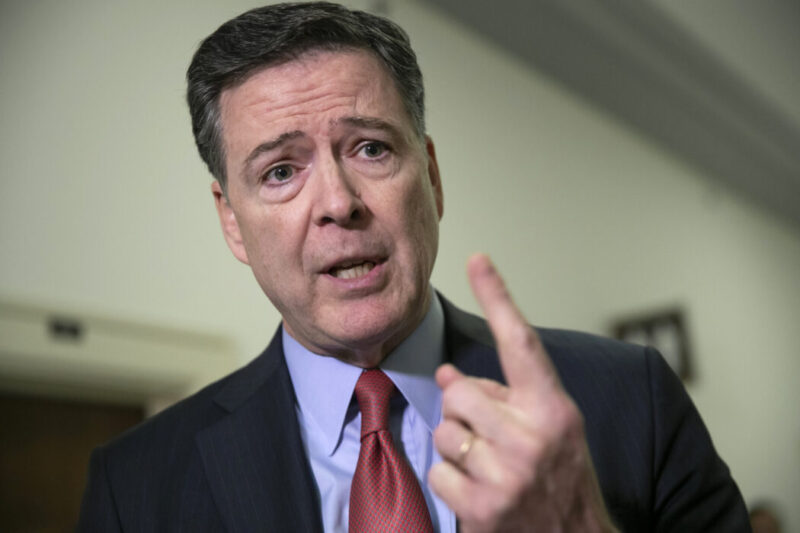
Judge Issues Order For DOJ In Comey Case
In a legal twist loaded with irony, former FBI Director James Comey—once the face of elite law enforcement—is now facing down the Department of Justice itself, and this time, he may be getting the benefit of the doubt.
On Monday, Magistrate Judge William Fitzpatrick issued a scathing rebuke of the DOJ’s conduct in its grand jury proceedings against Comey, granting the defense rare access to the grand jury materials.
That move alone is a flashing red light in legal circles: grand jury secrecy is sacrosanct, breached only under exceptional circumstances. Fitzpatrick declared these circumstances more than qualified.
At the heart of the controversy is a prosecutorial misstep—or perhaps something worse. The case’s lead prosecutor, Lindsey Halligan, is an unusual figure for such a high-stakes case: a former White House aide with no criminal courtroom experience, parachuted into the role amid a political push to charge Comey before the statute of limitations expired.
Installed by President Trump, Halligan reportedly relied on years-old warrants from unrelated investigations to support the new charges of false statements to Congress and obstruction of justice.
Judge Fitzpatrick wasn’t subtle in his critique. He accused the DOJ of demonstrating a “cavalier attitude” toward the Constitution—specifically, the Fourth Amendment. He pointed out that Halligan failed to secure a new warrant for a 2025 search tied to an entirely different investigation, raising questions not just about procedure but about the integrity of the evidence itself.
More concerning was Halligan’s alleged conduct during grand jury proceedings. According to the judge, she made prejudicial and misleading statements, including suggesting that Comey did not have a Fifth Amendment right.

If proven true, such a statement could severely bias a grand jury—a group meant to function as an impartial buffer between the state and the accused.
Fitzpatrick’s conclusion? The grand jury process may have been so tainted that dismissal of the charges is on the table. He ordered the DOJ to turn over audio recordings and all related materials to Comey’s defense by the end of the day, dismissing DOJ claims that Comey’s concerns were speculative.