
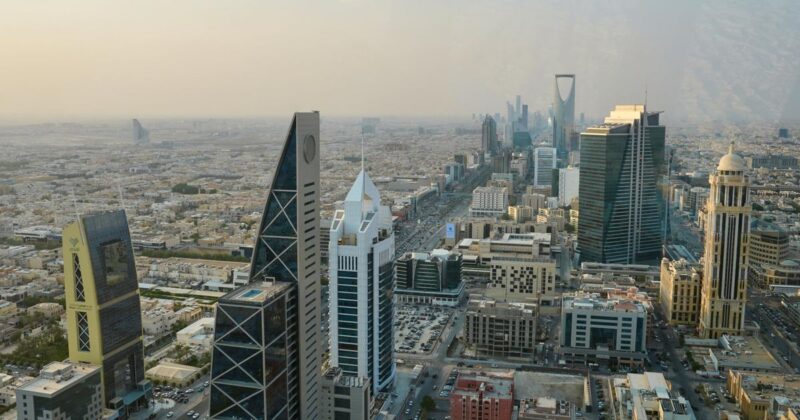
Trump Administration Reveals Brutal Truth As US Families Leave Saudi Arabia
You expect the US to pull its people out when war is coming. But here is the thing that changes everything: the Trump administration told non-emergency workers to leave Saudi Arabia, yet the order applies only to that one country. It is not a broad evacuation of the whole Gulf. The State Department made this clear on Wednesday.
State Department spokesperson Tommy Pigott pushed back on rumors of a wider exit. He confirmed the mandatory departure order targets Saudi Arabia only. The reason is simple and scary. Iranian-backed Houthis have ramped up attacks on civilian airports and critical sites. These strikes are causing real harm to families and travelers.
The numbers are hard to ignore. In just one week this month, Houthi attacks and attempted attacks on Saudi Arabia rose by more than double. The Armed Conflict Location & Event Data Project supplied this information. The violence is not random. It is a targeted campaign against the kingdom.
Since Oct. 5, airports in Riyadh, Jizan, Najran, Dammam, and Abha have been hit. The worst attack struck King Khalid International Airport in Riyadh. That barrage killed at least 13 people and wounded more than 300. This is not a
distant threat. It is happening right now.
On Tuesday, Britain declared it would dispatch Typhoon fighter jets to assist in defending Saudi cities. Egypt is already assisting the kingdom. Israel has offered to step in to help. But Riyadh is asking Washington for more missile interceptors. The US is facing a tough choice.
Secretary of State Marco Rubio spoke to the press on Tuesday. He laid out the global demand for defense. Israel would like interceptors. We would like interceptors. Every nation globally desires interceptors, according to reports. The supply is tight.

Jason Campbell, a senior fellow at the Middle East Institute, informed Fox News Digital that the current strategy focuses on protection. “The theme right now, I think, is defensive or defensive-minded,” Campbell said. But he warned that the region was not ready for this specific type of threat. … Campbell added these threats come from Iran and now the Houthis.
The Houthis have shown they can punch through Saudi defenses. Other attacks have targeted Saudi energy infrastructure. This puts the global oil supply at risk. The Trump administration is considering whether to execute direct US military strikes against the Houthis. The clock is ticking on that decision.
Saudi Arabia is not sitting idle. Last year, Riyadh allocated an estimated $83.2 billion for defense. This figure positions it as the eighth-largest military spender globally. They have the money. But they need the right tools to stop these low-level attacks.
Pigott further stated that the Houthis have “increasingly engaged in hostilities against Saudi Arabia, including attacks on civilian airports and other critical infrastructure resulting in civilian casualties and severe travel disruptions.” The question, he said, is whether that evolves into something “more offensive or kinetic.”
This situation shows a gap between what we hoped for and what we are getting. The US is pulling staff to keep them safe. But the threat is growing faster than the defenses. The US is walking a tightrope between protecting its own people and stopping a threat that could hit us all.
Riyadh has asked for help. The Houthis are not slowing down. The US must decide soon if it will strike back or stay on the defensive. The safety of the region depends on that choice.